More than a donut. A centuries-old Polish tradition, kept alive at a Chicago bakery that has been baking since 1928.
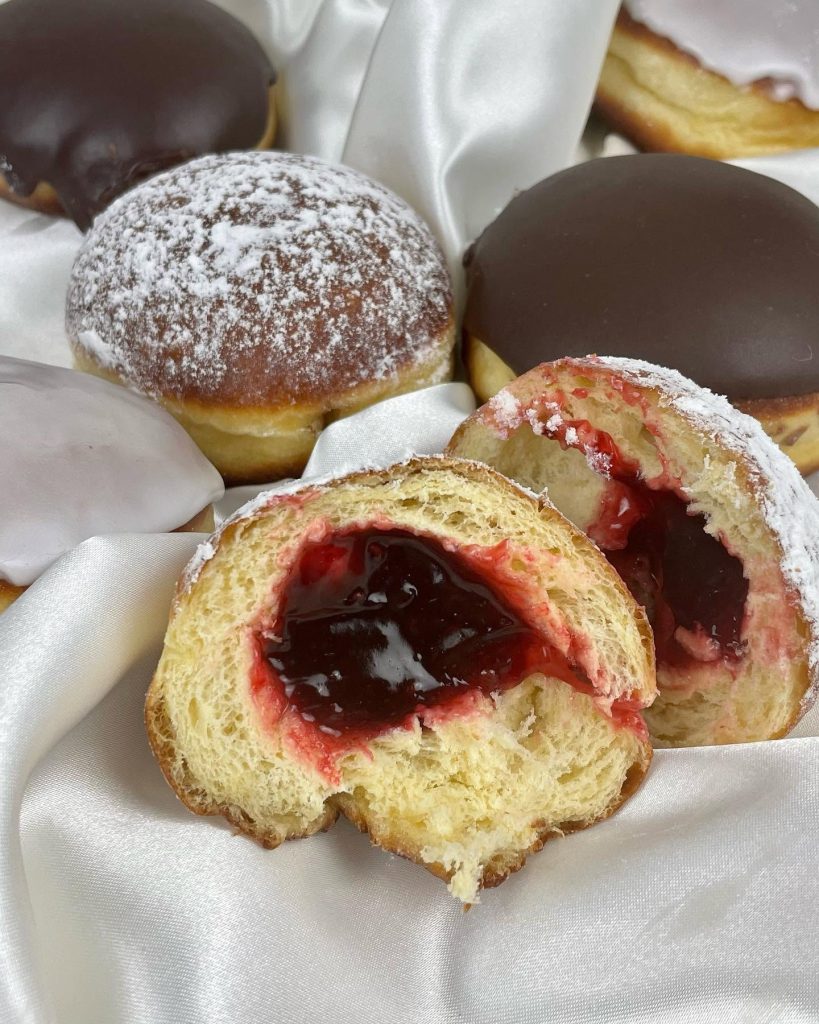
Pączki, pronounced roughly POONCH-key, are one of Poland’s most treasured pastries, with a history reaching back hundreds of years.
They are made from a rich, yeast-raised dough: eggs and extra yolks, milk, butter, sugar. The dough is mixed, left to rise, shaped by hand and fried until deeply golden.
The result is nothing like an everyday American donut. A pączek is tender and substantial inside, with a delicate fried exterior and a generous filling. The dough itself has flavor and richness. It is not a shell built to carry frosting.
Think of it as something between a beautifully made yeast pastry and a rich brioche, only fried. American donuts tend to be very sweet and heavily glazed. A traditional pączek lets the dough and the filling share the spotlight.
The history of pączki in Poland stretches back centuries, and the earliest versions were nothing like what we fry today. Some of the oldest Polish pączki were savory rather than sweet, and could even be filled with pork fat.
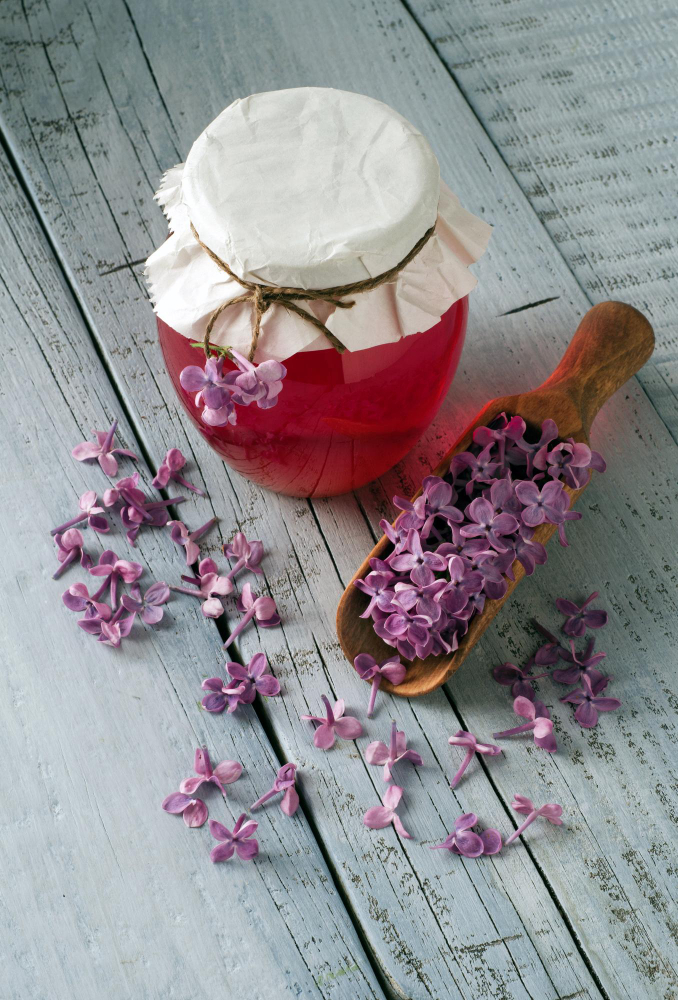
As ingredients and technique evolved, pączki grew lighter, softer and sweeter. By the 16th century, sweet versions filled with preserves, rose petal among them, had appeared in Poland. By the 18th century Polish writers were describing a new generation of pączki as light and fluffy, a considerable change from the heavier pastries of earlier centuries.
Over generations Polish bakers perfected the rich yeast dough and the fillings that Polish families know today. The traditional ones, rose petal preserves, plum and other fruit jams, are still with us, and bakers have never stopped adding new creams and flavors alongside them.
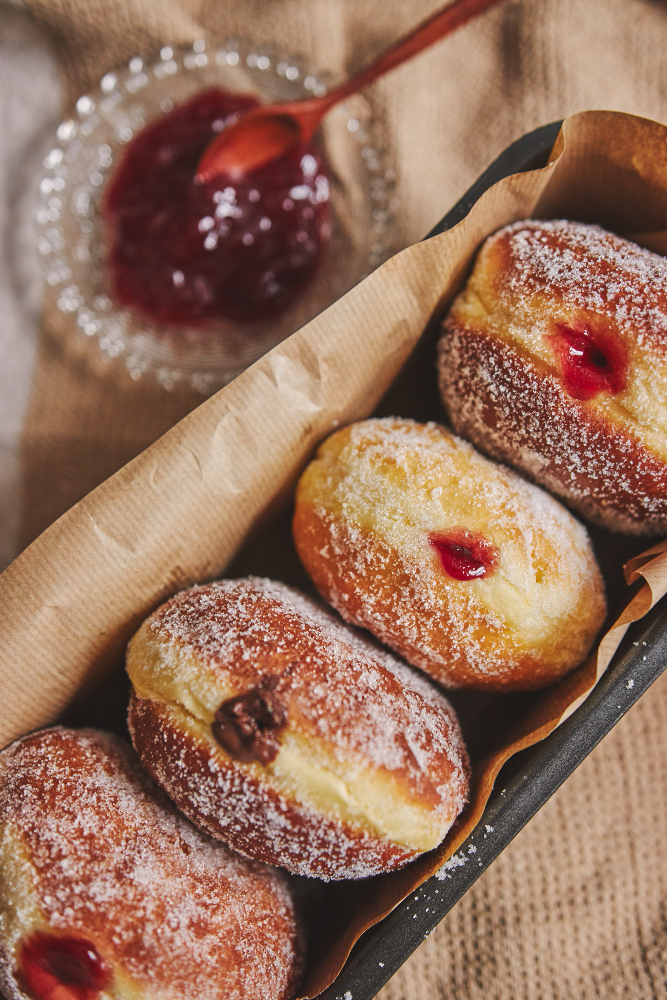
The most famous day for pączki in Poland is Tłusty Czwartek, Fat Thursday, the last Thursday before Lent.
Lent was once a much stricter fast. Families used up the rich ingredients in the pantry, eggs, butter, sugar and fat, before the season began, and making pączki was the most enjoyable way to do it. Over generations, eating pączki on Fat Thursday became one of Poland’s most beloved traditions.
There is a part of the story that often gets lost in America: pączki did not begin as a Fat Tuesday pastry. The traditional Polish celebration is Fat Thursday.

When generations of Polish immigrants came to the United States, they brought far more than their belongings. They brought their language, their family traditions and the recipes that reminded them of home.
Polish communities grew in Chicago, Detroit, Milwaukee, Buffalo and Cleveland, and Polish bakeries became the places where families could find the breads, cakes and pastries of their heritage. Pączki were among them.
As Polish Americans shared pączki with neighbors, coworkers and friends, more Americans discovered them. In many communities the Polish Fat Thursday tradition became attached to America’s Fat Tuesday and the Mardi Gras season. That is how Fat Tuesday came to be known here as Pączki Day.
Because supermarkets and some bakeries promote pączki heavily around Fat Tuesday, many people assume they are a once-a-year pastry. We disagree.
Fat Thursday will always be part of the history of pączki, and Fat Tuesday has become a wonderful Polish-American celebration of that tradition. But neither day decides when a pączek can be enjoyed: with morning coffee, brought to the office, shared with family, served at a celebration, given as a gift, or simply because today feels like a good day for one.
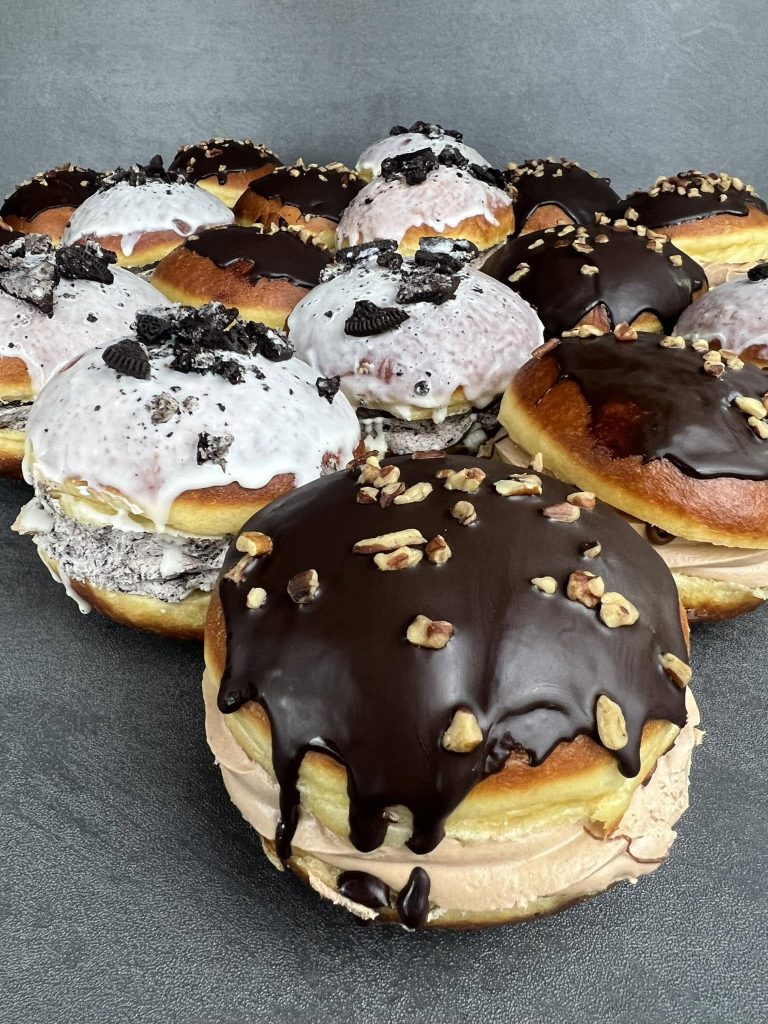
If your only experience with pączki has been a mass-produced grocery-store pastry on Pączki Day, we would like you to try what a real Polish-style pączek can be.
It is not supposed to taste like an American donut. The dough is different, the texture is different, the balance of sweetness is different. Behind it is a Polish baking tradition passed from one generation to the next for centuries.
At Ideal Bakery we are proud to continue that tradition. Whether your family has been eating pączki for generations or you are about to try your first one, we invite you to taste a little of Poland.
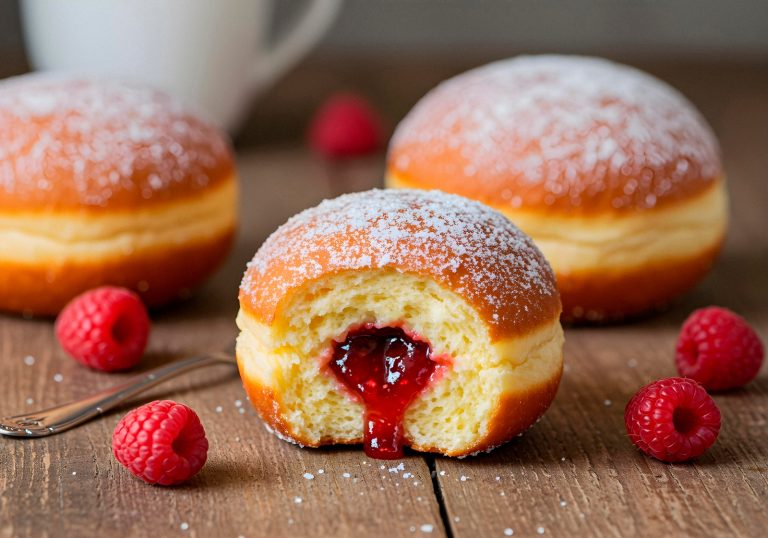
Classic seedless raspberry jam, dusted with powdered sugar.
See product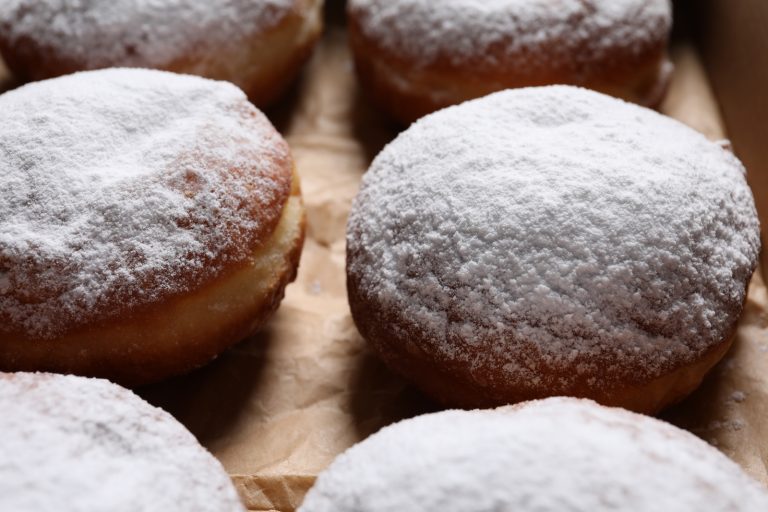
Vanilla Bavarian creme, powdered sugar finish.
See product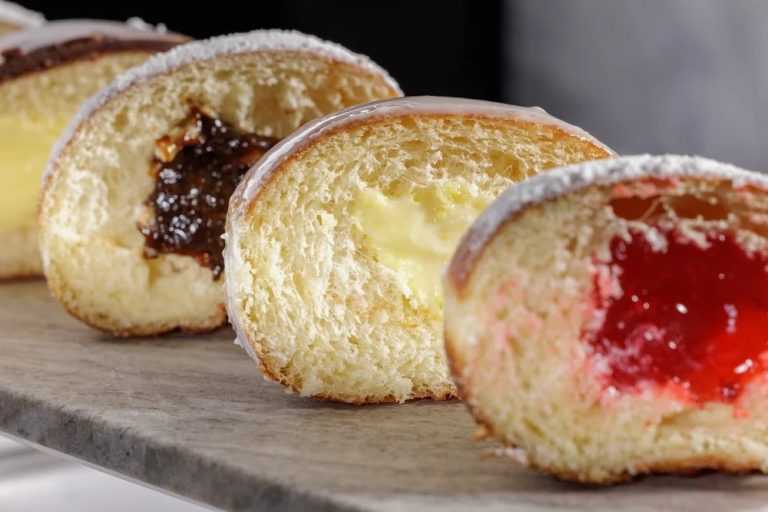
Chocolate Bavarian creme under a chocolate finish.
See product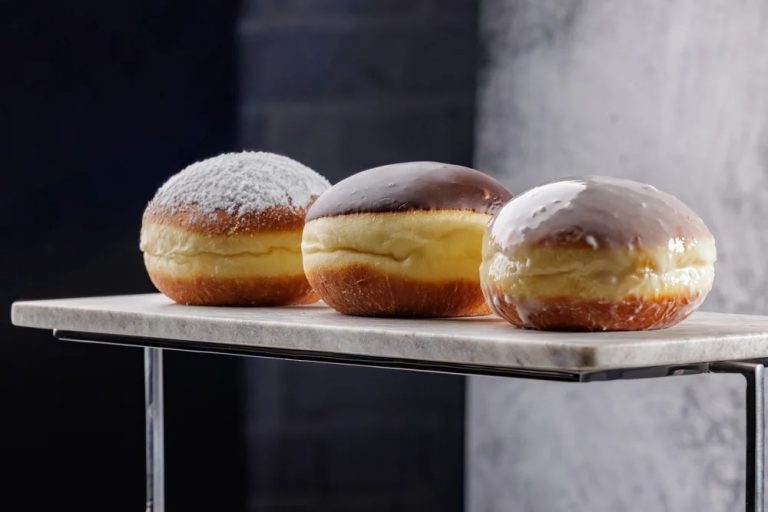
Sweetened cream cheese, lightly glazed.
See productBoxes of four, dozens and catering trays are all available through the Ideal Bakery shop, with pickup across the Chicago area.